Pain around the kneecap
Front-of-knee discomfort during running, stairs, hills, squatting or after sitting for a long time.
 YEONSEICHIROPRACTIC & PILATES
Running knee pain · Strathfield
Pain at the front, side or back of the knee can interrupt an easy run, hill session or return to training. Dr Kevin Park assesses the knee, hip, ankle, strength, movement and recent training changes before explaining appropriate next steps.
Understanding your symptoms
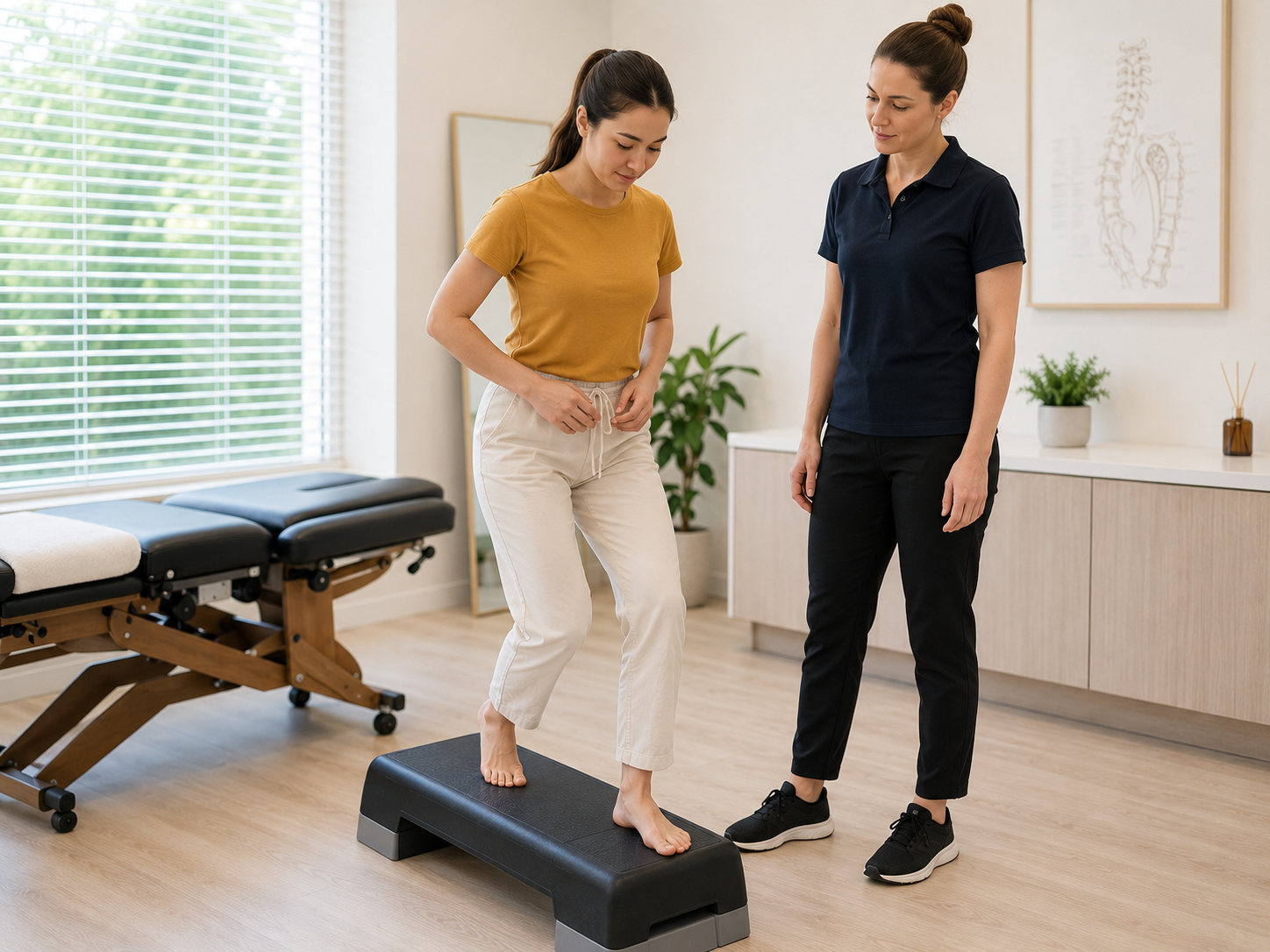
Running-related knee pain may involve the kneecap region, tendons, muscles, joint structures or an injury that needs medical review. Symptoms can be influenced by a sudden change in distance, speed, hills, recovery or strength, but the location of pain alone does not confirm the cause. An individual assessment helps distinguish common load-related presentations from conditions that require imaging or referral.
Desk-worker guides
These practical guides explain common symptom patterns, sensible workday changes and when an assessment may be appropriate.
The broader Yeonsei guide to lower-limb pain, movement and rehabilitation.
Read the guideRead about lower-back and nerve-related symptoms that may travel into the leg.
Read the guideLearn about Dr Kevin's assessment, hands-on care and exercise-based approach.
Read the guideReasons people book
These patterns help guide an assessment, but they are not diagnoses by themselves.
Front-of-knee discomfort during running, stairs, hills, squatting or after sitting for a long time.
Symptoms that build after a predictable distance or with downhill running and repeated bending.
Tenderness or pain with faster running, jumping, hills or other higher-load activity.
Symptoms following a rapid change in weekly distance, pace, hills, frequency or return from a break.
Mechanical symptoms or instability that may require closer assessment and possible medical referral.
Symptoms that settle with rest but return as distance or intensity increases.
Return-to-running plan
Advice should be adapted to the examination, training history and the runner's goals.
Compare current distance, pace, hills and frequency with the weeks before symptoms began.
Temporarily adjust the activity that clearly increases pain rather than assuming all movement must stop.
Progressive exercise may target the knee, hip, calf and movement tasks relevant to running.
Reintroduce running in manageable stages and change one training variable at a time where practical.
Your initial appointment
Treatment is included in every initial consultation after the assessment, when clinically appropriate and with your consent.
We discuss where the pain is felt, when it appears during or after a run, recent changes in distance, pace, hills or footwear, previous injuries, recovery, other activity and your running goals.
The examination may include knee, hip and ankle movement, strength, balance, relevant orthopaedic or neurological tests and running-related tasks such as squatting, stepping, hopping or calf loading when appropriate.
Dr Kevin explains the findings, likely contributors and whether load modification, hands-on care, rehabilitation, medical review, imaging or another referral should be considered.
Treatment is included at the initial consultation after assessment. With your consent, it may include mobilisation, manipulation, soft-tissue therapy and guided exercise selected for your presentation.
Individualised care
Management may include hands-on treatment, temporary training adjustments and progressive strength, balance or movement exercise. Radial shockwave therapy may be considered for selected tendon-related presentations after assessment, but it is not suitable for every cause of knee pain.
Running knee pain has many possible causes, and no single exercise or treatment suits every runner. Recommendations are adapted to the clinical findings, your preferences, response to care and any need for medical referral.
Your chiropractor
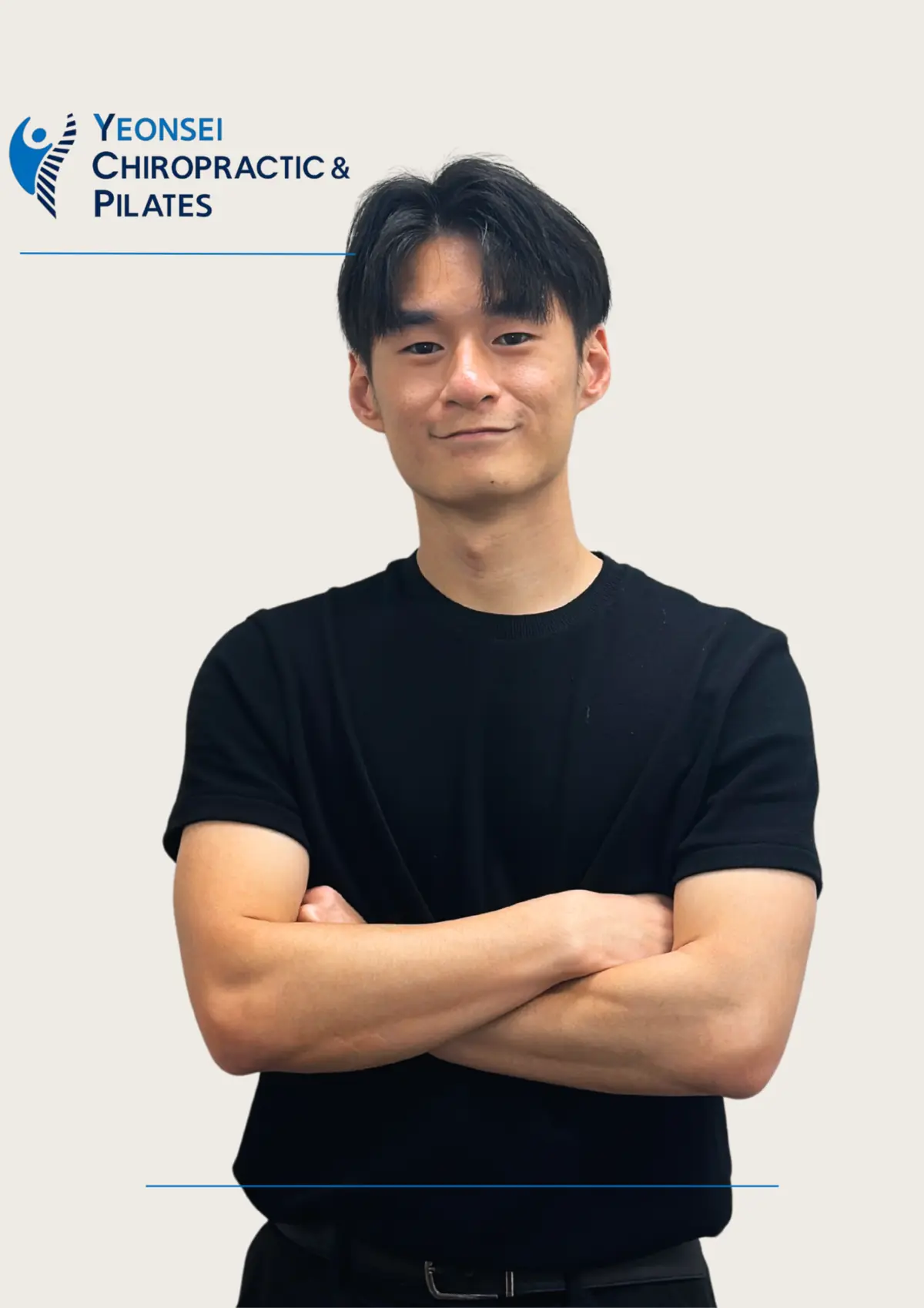
Dr Kevin Park provides musculoskeletal assessment, manual therapy and exercise rehabilitation for running-related knee and lower-limb concerns in Strathfield. Care is available in English and Korean.
Meet Dr Kevin ParkFrequently asked questions
‘Runner's knee’ is an informal term often used for pain around the front of the knee. It does not identify one cause, so an assessment considers the exact symptom pattern, training history and physical findings.
Possible contributors include a recent increase in distance, speed, hills or frequency, reduced recovery, tendon or kneecap-related irritation, an acute injury or another knee condition. The timing and location of pain help guide assessment but do not confirm a diagnosis alone.
That depends on the cause and severity. Mild symptoms may sometimes be managed by modifying distance, speed or terrain, while significant pain, swelling, locking, giving way or inability to bear weight needs assessment before continuing.
No. Pain around the kneecap has several possible causes. A clinician should consider the history, examination and warning signs rather than diagnosing from pain location alone.
They can increase knee loading and may contribute when training changes outpace current capacity. Other factors can also matter, so the assessment should consider the whole pattern.
Imaging is not automatically required for running-related knee pain. Dr Kevin can explain whether medical review or imaging may change management based on the history and examination.
The visit includes your running and injury history, a relevant physical assessment, an explanation of findings and treatment when clinically appropriate and with your consent.
The 30-minute initial chiropractic consultation and treatment costs $101.50. Eligible private health rebates may be processed through HICAPS.
The clinic is in Suite 204 on Level 2 of Strathfield Plaza, about two minutes from Strathfield Station and convenient for runners from Strathfield, Burwood, Homebush, Concord and Lidcombe.
General patient information: Healthdirect — knee pain · Healthdirect — knee injuries · Healthdirect — tendinopathy · Sports Medicine Australia — running
Book at Yeonsei
Suite 204, Level 2, Strathfield Plaza · Two minutes from Strathfield Station
View available appointments